
PROJECT IMPACT
What we have achieved
Results as of 1 August 2026
REAL-WORLD TESTING
Living Labs
INNOVATION IN PRACTICE
Real-world testing environments
The Living Lab is a key pillar of the project, a comprehensive innovation approach that connects all the relevant actors and gives the end user the leading role. It is not only a testing site, but also a carefully designed co-creation method and a complete innovation management system.
STICS goes further, bringing all three forms of the Living Lab (environment, method, system) together in a single framework. The result is an ideal "testing ground" where ideas are validated in live operation, their impact is measured and they scale quickly across departments and sectors.
How we work in practice: we co-create → we pilot (with a focus on user experience, UX) → we measure (KPIs) → we iterate → we scale → we pass it on. Transparently, based on data, with clear management, and with the user at the table from the start.
Below are the six pilot Living Labs. Together they cover municipalities, towns and regions, social innovation, data and digital governance, safety, and the transfer of campus research into practice:
1. Smart Ecovillage Horné Srnie
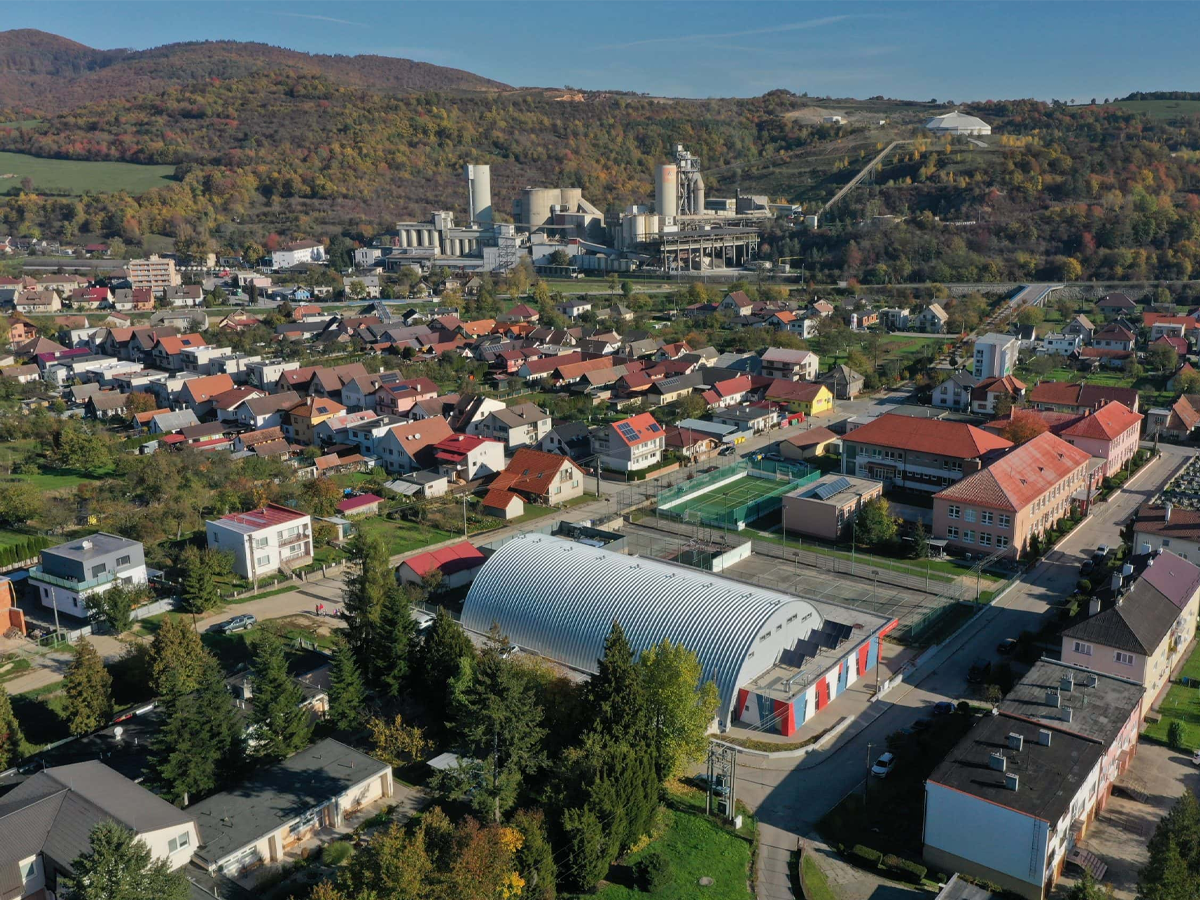
Smart Ecovillage Horné Srnie is a rural Living Lab that brings together social, technological and environmental innovation in a real setting. The village becomes an open experimental space where new approaches are tested directly in the everyday life of its residents, from energy and climate to community services. The aim is to create a model of a smart, sustainable and resilient village that can be transferred to other rural regions.
Goal:
To maintain a high quality of life in a cohesive community, strengthen local resilience and self-sufficiency, reduce the carbon footprint, support climate adaptation and improve access to modern digital and public services. The Living Lab also creates a platform where local government, experts, businesses and citizens come together to design solutions jointly.
Benefits:
· increased climate and social resilience of the municipality
· a sustainable rural Living Lab environment for long-term innovation
· better public services through digital tools
· more efficient, data-driven local administration
· higher share of renewable energy
· more active community life and participation
Who is it for:
Citizens: greater comfort, more accessible services, lower energy costs
The municipality: better decision-making, reliable data, modernised services
Local businesses and SMEs: new opportunities in green innovation
Expected outputs:
El1: Decision support platform – an intelligent tool for data-driven planning and development of the municipality.
El2: Smart metering – monitoring of energy consumption and carbon footprint, with transparent reports for the municipality and the community.
El3: Community and services platform – a space for online communication, participation and local services.
El4: Positive Energy Community – a community energy model connecting the municipality, businesses and households.
El5: Climate adaptation measures – landscape features, water management, ecological solutions.
El6: Demonstration & coworking spaces – an open base for workshops, presentations and innovation testing.
Replication potential:
High – the model is fully replicable in other municipalities and rural regions with similar conditions.
2. CEDLIO
CEDLIO is a national mobile and system-level Living Lab dedicated to researching, testing and deploying biodefence innovations. With biological threats on the rise, from emerging pathogens to risks associated with climate change and hybrid warfare, CEDLIO provides a key security pillar. The pilot brings together state-of-the-art laboratories, mobile research units and interdisciplinary expertise to protect municipalities, towns and regions against biological risks.

Goal:
To build the capacity to test and deploy biodefence solutions, strengthen interdisciplinary research and link Slovak partners to European security ecosystems. The Living Lab allows for rapid response to emerging threats, crisis scenario modelling and the validation of innovations in the field.
Benefits:
· better preparedness of towns and regions for biological threats
· stronger national research and testing capacity
· modern tools for monitoring, detection and protection of the population
· closer links between research teams, local authorities and European partners
· improved protection for vulnerable population groups
Who is it for:
The municipality: greater resilience, rapid response mechanisms, modern infrastructure
State and European institutions: security, monitoring, crisis planning
Zraniteľné skupiny: cielená ochrana v prípade zvýšeného rizika
Vulnerable groups: targeted protection when risk levels rise
Expected outputs:
El1: SMART FIT mobile container – an advanced mobile laboratory for testing sensors, diagnostic systems and detection technologies for toxic gases, microorganisms and contamination.
El2: BSL-3+ laboratory. – a high-containment facility for testing the effectiveness of biodefence components, disinfection and diagnostic solutions, including the production of strategic biomaterials (primers, probes, enzymes, antigens).
El3: Demonstration and coworking unit – a space for joint R&D activities between partners, and for testing and integrating biodefence solutions.
Replication potential:
Medium to high– a modular system that can be adapted for crisis planning and exercises in other regions.
3. Blockchain Transformation Grid Kežmarok
The Blockchain Transformation Grid Kežmarok is an urban Living Lab that merges participatory planning, data-driven governance, and blockchain technology to accelerate the city’s smart and green transformation. Located in a region with socioeconomic challenges, climate impacts, and marginalized communities, Kežmarok becomes a model city for inclusive innovation, modern governance, and digital infrastructure. This Living Lab tests new solutions for energy, resilience, and citizen engagement directly in the real urban environment.

Goal:
To establish participatory, data-informed, and place-based planning; support the city’s energy transition—including tackling energy poverty; increase urban resilience; and strengthen transparent and efficient municipal governance. Blockchain ensures secure, trusted data management and supports innovative decision-making processes.
Benefits:
· strengthened capacities for smart and green urban transformation
· increased resilience to climate, social, and economic pressures
· more transparent and efficient governance through improved data availability
· new smart urban services
· lower carbon footprint
· inclusion of vulnerable and marginalized communities in city development
Who is it for:
Citizens: new services, more accessible participation channels, inclusive community programs
City administration: effective governance, transparent processes, better data infrastructure
Companies/startups: new data-driven opportunities, pilot environments, innovation pathways
Expected outputs:
El1: Smart green investment strategy – participatory modernisation of municipal strategies enhanced by blockchain; integrating environmental, technological, and social innovations.
El2: Smart urban data management – integration and upgrade of existing municipal systems (GIS, open data, Munipolis, SMS alerts) into a unified data governance framework for planning, monitoring, and participation.
El3: Smart energy-positive community Kežmarok – piloting the Positive Energy District concept to increase energy efficiency, reduce household costs, and build community energy systems.
El4: Smart resilient adaptive community – IoT-based environmental monitoring, climate adaptation tools, green infrastructure, mobility management, safety solutions, and data-informed urban resilience strategies.
Replication potential:
High – a scalable framework for similarly sized cities seeking to improve energy systems, data governance, urban resilience, and community engagement.
4. TP LAB
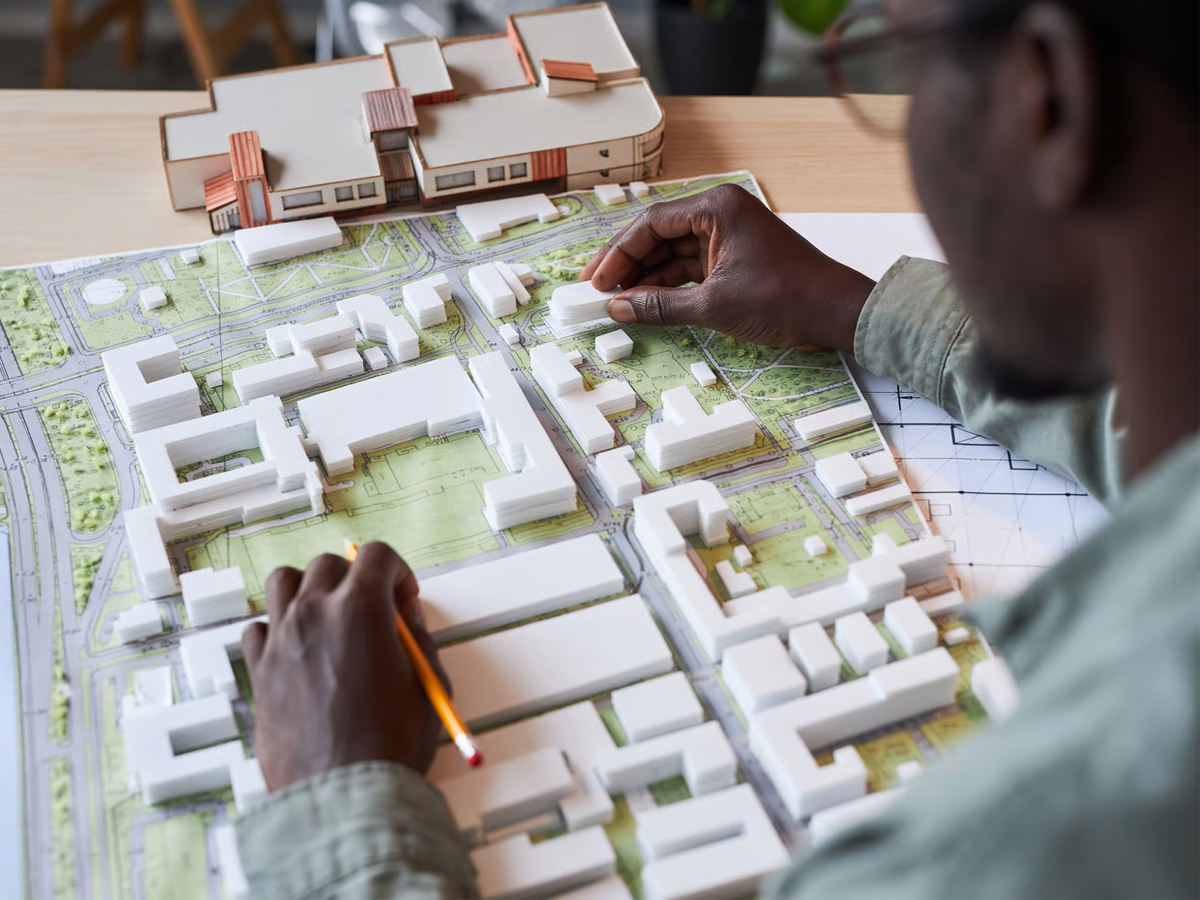
TP LAB is an open regional centre integrating territorial, spatial, and thematic data into a unified platform that directly supports public services. As a Living Lab, it acts as a smart, data-driven gateway between regions, municipalities, experts, and the public. Its purpose is to enable more efficient spatial planning, unlock new data-driven services, and improve quality of life through better understanding of territorial development. In a landscape where local authorities often struggle with fragmented data and insufficient capacity, the TDSC introduces a modern, transparent, and interoperable data ecosystem.
Goal:
To improve regional geodatabases and metadata, create a distributed geoportal, and introduce new tools for monitoring residential area quality (RAQ) at the LAU2 level. The TDSC supports strategic planning and investment decisions, ensuring they are more effective, sustainable, and evidence-based.
Benefits:
· more efficient tools for spatial planning
· better understanding of regional dynamics and constraints
· new smart public services driven by reliable data
· transparent access to spatial information for citizens and businesses
· stronger multilevel governance and inter-institutional collaboration
· more precise, evidence-based investment planning
Who is it for:
Regions and municipalities: improved planning processes and up-to-date data
Planners & asset managers: modern GIS tools and reliable datasets
Public: transparent access to spatial information
Businesses: new opportunities for data-enabled services
Expected outputs:
El1: Territorial decision-support service platform (PPP-based) - a modelling tool that evaluates residential area quality (RAQ) at municipal level, identifies problems, classifies territories, proposes strategic development directions, and models the potential impact of investments on specific indicators.
El2: Integrated territorial geoportal - a distributed geodatabase and metadata system that brings together spatial data from multiple institutions into a single, interoperable structure with consistent attributes, formats, and coordinate systems. Supports both expert and public use.
El3: Multisectoral impact evaluation expert group - a network of specialists who validate AI-supported predictions, interpret findings, and ensure the high quality of planning and decision-making processes.
Replication potential:
Very high – the data and methodological framework can be standardised and replicated across multiple Slovak regions and beyond.
5. Smart Green Campus
The Smart Green Campus is a permanent physical and virtual Living Lab connecting academia, business, the public sector, and citizens into one dynamic innovation ecosystem. The university campus becomes a “living laboratory” where technologies, processes, and social innovations are tested in real-life conditions—ranging from energy management and microclimate control to participation and commercialization of ideas. It is a space that accelerates innovation transfer, supports the creation of startups and spin-offs, and gives students hands-on learning opportunities.

Goal:
To accelerate the transfer of research into practice, create a sustainable innovation environment, develop student competencies through “learning by doing,” and enable the campus community to co-create and test solutions for green transformation.
Benefits:
· long-term integration of the quadruple helix (academia – business – public sector – citizens)
· increased creation of startups and spin-offs
· stronger links between research and real-world application
· safe and real environment for testing innovations
· a green, energy-efficient campus that serves as a model for others
· improved microclimate and quality of life on campus
· opportunities for new smart services and solutions
Who is it for:
Students & academia: hands-on experience, innovation incubation, career development
Companies: prototyping, scaling, access to talent and applied research
The municipality: tested solutions ready for deployment in cities and towns
Investors: access to promising early-stage innovation
Expected outputs:
El1: STICS Quadruple Helix Hub - the central physical and virtual collaboration hub of the entire STICS community. It supports strategic coordination, multi-stakeholder interaction, participatory planning tools, and testing of methodologies created within WP2, WP4, and WP5.
El2: Smart Green Transformation Centre - a publicly accessible sustainability hub located at the centre of the university campus. It provides space for coworking, co-designing, training, and showcasing innovations. It brings together students, university staff, external experts, and citizens to co-create solutions for climate adaptation and green transformation.
El3: Smart Green Learning by Doing - a set of transformation activities integrating all campus stakeholders in hands-on innovation development. Activities focus on reducing carbon emissions, adapting to climate change, smart energy and microclimate management, decision support, and sustainability awareness across technical and technology-oriented fields.
Replication potential:
Vysoký – model je veľmi dobre replikovateľný pre iné univerzity a inovačné centrá v Európe.
6. SILAb
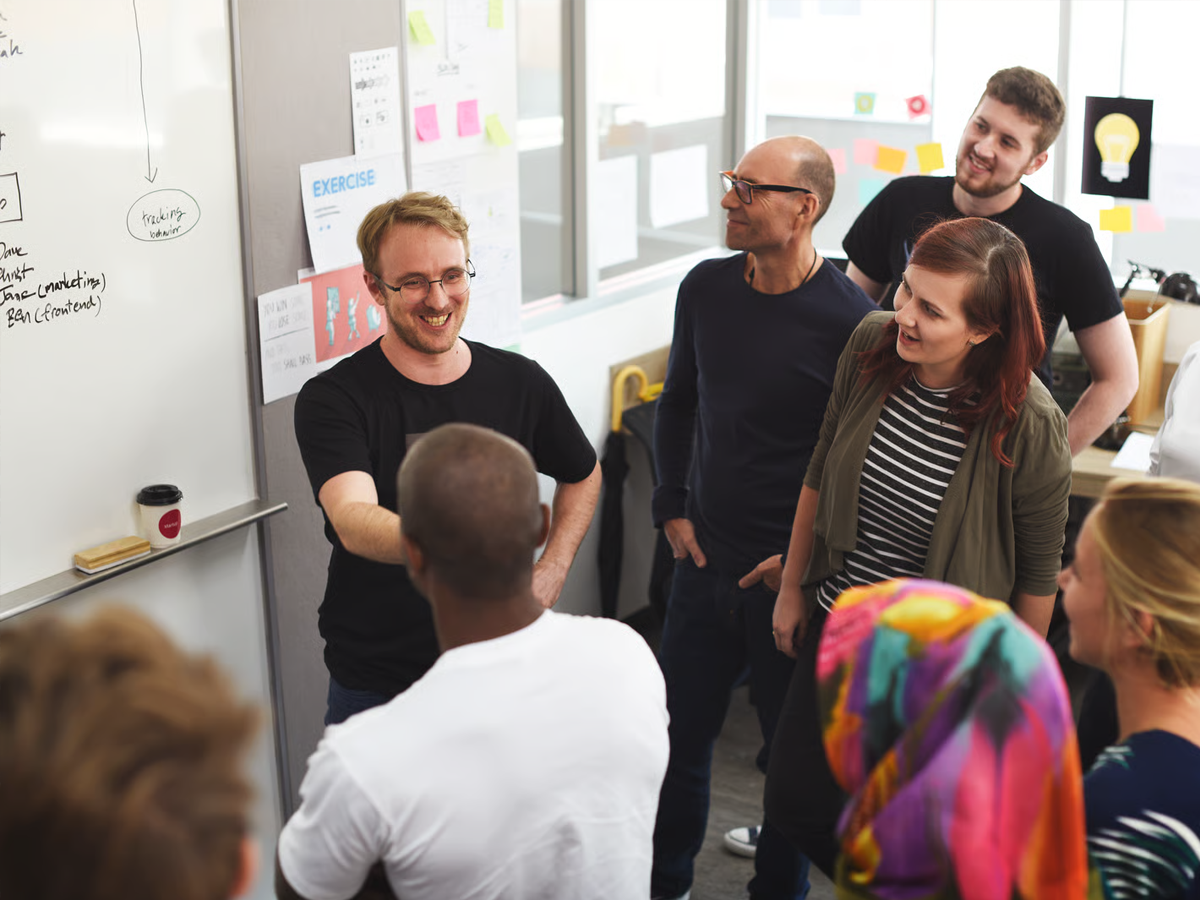
SILAb is a dynamic Social-Innovation Living Lab that enables communities, towns, and regions to identify their challenges, co-design solutions, and test them directly in real-world conditions. It is a modern collaborative environment bringing together public authorities, citizens, businesses, universities, and NGOs—all working toward more resilient, inclusive, and future-ready territories. SILAb provides a safe and creative space where social innovations with tangible impact can emerge and grow.
Goal:
To pilot promising social innovations, strengthen cross-sector collaboration, support transformation processes, build regional innovation capacity, and develop data-informed and place-based policies.
Benefits:
· a permanent environment for co-creation and testing social innovations
· stronger economic opportunities and regional cohesion
· improved territorial governance and resilience
· evidence-based, locally tailored policy solutions
· better-informed and more engaged citizens
· growth of community-driven initiatives and leadership capacities
Who is it for:
Communities: new opportunities, improved services, stronger cohesion
The municipality: innovative governance tools, participation, better decision-making
Citizens: meaningful involvement in shaping their region’s future
NGOs & academia: collaboration, knowledge exchange, applied research
Expected outputs:
El1: Catalysing transformation processes - activities that spark community revitalisation, support local entrepreneurship, and improve quality of life through coordinated interventions and active participation.
El2: Conceptualisation of innovative ecosystems - designing vision-driven innovation ecosystems that position cities and regions as attractive hubs for talent, investment, and sustainable development.
El3: Scenario building, testing, and implementation - modelling scenarios, using data insights, and piloting interventions to guide urban and regional development.
El4: Evidence-based & place-based policy solutions - policies grounded in data, adapted to local needs, reducing disparities and improving public services.
El5: Capacity building, education and knowledge sharing - training, community programmes and professional events that build the skills of citizens, institutions and leaders.
Replication potential:
High – the methods and tools developed by SILAb are universal and can be applied in different regions across Slovakia and abroad.
WE WERE THERE
STICS in motion
InDays summit 2026
Slovakia can be innovative if it makes the most of the opportunities available. That was one of the messages of the conference Slovakia on the Road to Smart Cities held in Žilina as part of the three-day inDays Summit. From 12 to 14 May the event brought together representatives of local authorities, experts and members of the public for discussions and practical examples from Slovak cities and from abroad.
The STICS consortium also presented itself at the event, offering the opportunity to connect regional activities into a living ecosystem and bring innovation directly to municipalities.
More information at www.indays.sk